

What Makes Australia a Top Destination for Eco-Friendly Sunscreens?

Eco-Conscious Sunscreen Trends
I've always found the Brisbane Riverwalk to be a captivating backdrop, especially when illustrating how swiftly sunscreen trends are changing right here in Australia. Specifically, there’s been a noticeable shift towards using "reef safe" sunscreens, a trend driven by eco-conscious consumers who realize our everyday choices can impact the delicate marine ecosystems surrounding the Great Barrier Reef.
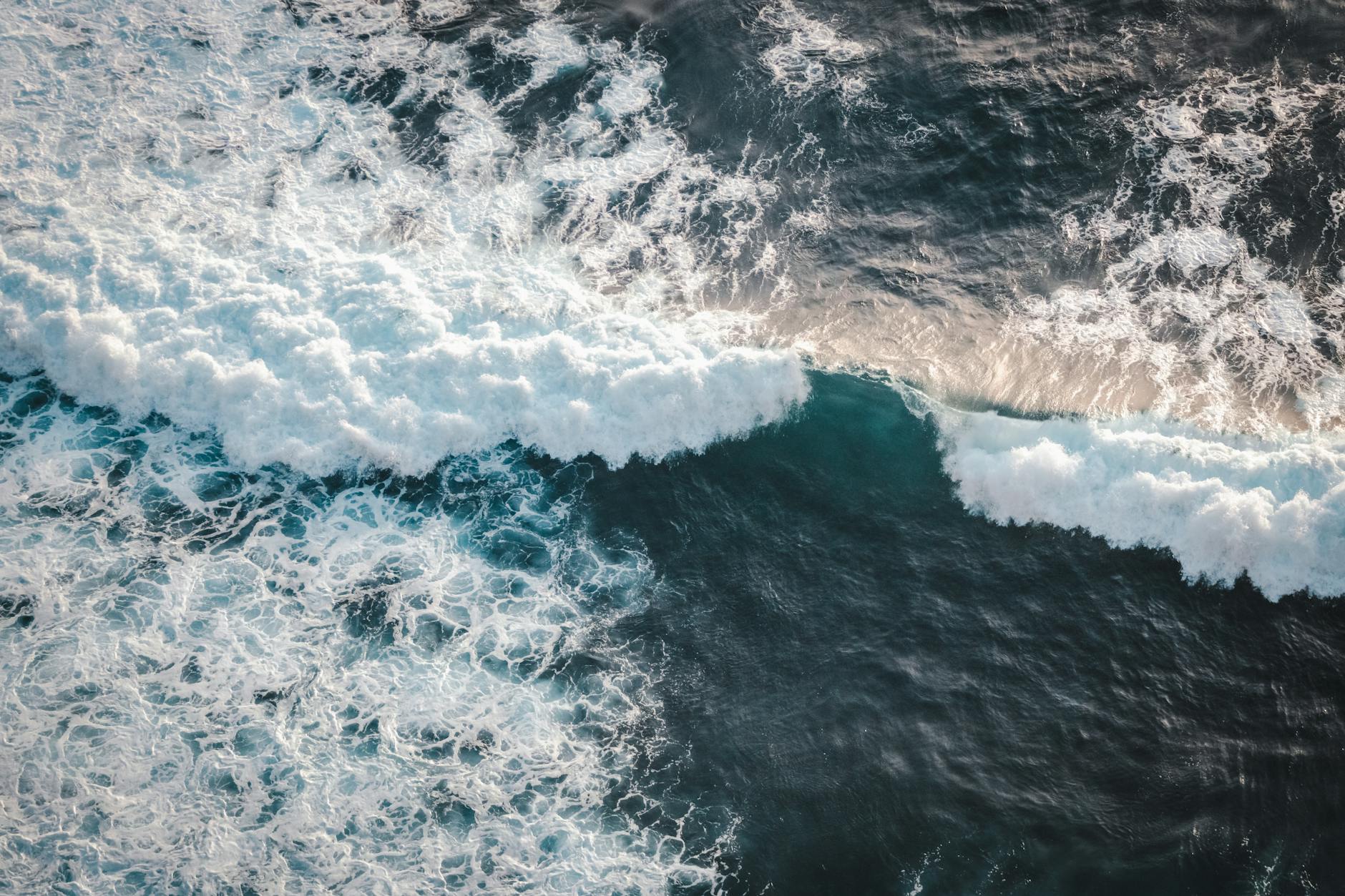
More people are now choosing reef safe sunscreen to preserve our coral reefs, which are gradually being eroded by harmful chemicals commonly found in some traditional sunscreens.
I've also noticed that kids sunscreen is now being developed with safer, more natural ingredients, reflecting a broader movement towards sustainable, skin-friendly options for the whole family. With Australia's stringent regulations and rising consumer awareness about environmental conservation, we see packaging innovations, such as biodegradable or refillable containers, becoming mainstream.
Innovation in this domain isn't just about what's inside the tube but also how it guards our environment. When I'm out photographing a sunset over the river, it’s encouraging to see others embracing products that don’t compromise the vibrant seascapes we all cherish. Keeping these trends aligned with young professionals like us is paramount, as we strive to capture life's beauty responsibly through our lenses.
Climate & Environment Influence
Australia's Unique UV Index
Australia's UV index is among the highest globally, posing a significant challenge to those passionate about outdoor activities, like I am. The intense sun can be a photographer's dream and nightmare simultaneously. Capturing the golden hour on the Brisbane Riverwalk requires a delicate balance, as the light can be breathtaking yet harsh on both gear and skin. For a moment like this, ensuring I'm protected with zinc sunscreen, which effectively blocks harmful UV rays, is as crucial as adjusting the camera settings for the perfect shot.
Reef-Safe Formulation Necessity
Australia's natural beauty is truly remarkable, especially its stunning coral reefs. However, preserving these wonders requires responsible choices. Sunscreens that contain certain chemicals can harm marine life, so there's a growing demand for reef-safe options. I find peace knowing my choice of sun protection allows me to enjoy a day at the beach or a shoot near Mount Coot-tha Lookout without compromising the environment. The experience feels more rewarding when it aligns with my values of conservation and creativity.
Diverse Outdoor Lifestyles
Australia's diverse landscapes offer endless opportunities for adventure and photography. From the vibrant scenes at Kangaroo Point Cliffs to the serene beaches, each location demands unique sun protection for varying exposures. Documenting these experiences pushes me to select sunscreens that not only protect but also withstand my active lifestyle. They serve as an invisible partner, keeping my skin safe while I capture the world through my lens.
Regulatory Standards
Stringent Safety Regulations
Australia's commitment to maintaining the highest safety standards for sunscreens is paramount. Having spent countless sunny afternoons along the Brisbane Riverwalk, the importance of effective sun protection is always at the forefront of my thoughts. The Therapeutic Goods Administration (TGA) oversees all sunscreen products in Australia, requiring them to pass robust testing and meet specific efficacy standards. This rigorous regulation ensures that products promise the stated level of protection, significantly reducing the risks associated with excessive sun exposure.
Impact of Local Certifications
Local certifications play a significant role in guiding consumers towards safe choices. Labels such as "AUS-Made" or "TGA Approved" provide a badge of trust. As someone constantly exposed to the sun while capturing the vibrant hues of Australia's landscapes, including the Kangaroo Point Cliffs, I have learnt to place value on these certifications. They indicate adherence to strict guidelines, assuring users that the products have been meticulously tested for both efficacy and environmental impact.
Government Initiatives
The Australian government, recognising the potential health risks of UV exposure, actively promotes sun safety campaigns. These initiatives are designed to educate the public on effective sun protection, including the use of natural sunscreen. By encouraging a focus on ingredients that are both effective and environmentally safe, these programs aim to foster a better understanding of sun safety. This plays a crucial role in shaping public behaviour towards healthier lifestyle practices.
The Innovation Hub
Pioneering Research and Development
I'm always amazed by the innovative strides Australia takes in research and development, especially when it comes to eco-friendly solutions. The country's wealth of local expertise and commitment to sustainable practices have led to remarkable breakthroughs in skincare. One area of focus is the development of environmentally responsible products, like baby sunscreen, which prioritises both protection and eco-awareness. Australian scientists are leading the charge in formulating sunscreens that are not only effective against harmful UV rays but also gentle on our fragile ecosystems.
Collaboration with Environmental Groups
Collaboration with environmental groups has significantly shaped the landscape of responsible sunscreen formulas. These partnerships ensure products meet high sustainability standards while maintaining effectiveness. By working closely with organisations that champion environmental conservation, Australian brands produce sunscreens that align with both health and ecological preservation values. This teamwork underscores a shared vision of a future where our beauty routines don't compromise the beauty of our planet.
Case Studies of Innovative Brands
Australia is home to trailblazing brands that exemplify eco-friendly innovation. These industry leaders have pioneered solutions that seamlessly marry nature-inspired ingredients with cutting-edge technology. Their success stories serve as inspiring case studies, showcasing how commitment to research, sustainability, and collaboration can lead to the creation of products that not only protect our skin but also honor our environment. As someone passionate about capturing natural beauty through photography, I find these advances both exciting and essential for preserving the breathtaking landscapes that inspire me daily.
Avoiding Common Mistakes in Eco-Sunscreen Use
Misreading Ingredient Labels
In the bustling scene of Australia's eco-conscious sunscreen market, it's crucial to become fluent in label lingo. During my photographic excursions along the Brisbane Riverwalk, I've encountered many who overlook the significance of deciphering these labels. When words like "reef-safe" pop up, it's important to verify that the product contains non-nano zinc oxide or titanium dioxide, which are less harmful to marine life. Misunderstanding these labels can detract from both your eco-friendly intentions and your skin health.
The Importance of Reapplication
Pacing through the day capturing the perfect shot at Mount Coot-tha Lookout, reapplying sunscreen is a task that often slips my mind. Many, like myself, fall into the trap of thinking a single morning application is sufficient, especially when the weather feels more overcast than sunny. It’s vital to reapply every two hours, or even more frequently if you're sweating or swimming. This way, your skin remains safeguarded against Australia's harsh UV rays, and your mindful sun protection Australia doesn't go to waste.
Acknowledging Expiration Dates
Picture yourself at the Kangaroo Point Cliffs at sunrise, ready to catch the morning glow, only to find out that your sunscreen is expired. I can’t stress enough how essential it is to check those expiration dates. Sunscreens lose their efficacy over time, and applying an expired product could expose your skin to harm. By being diligent with these details, you ensure that your skin stays as vibrant as your snapshots.